
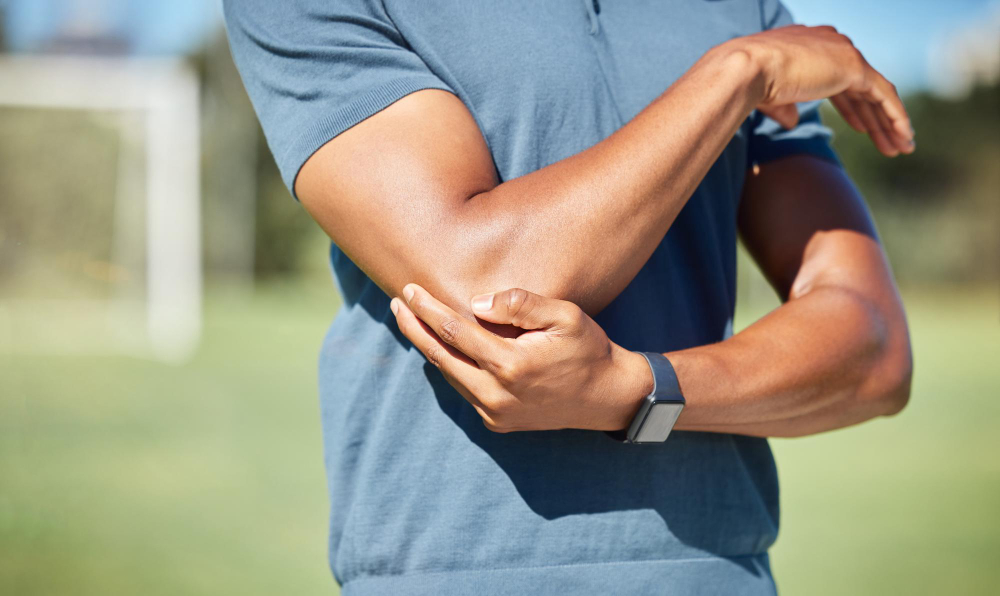
What is Tennis Elbow?
Tennis elbow is a common condition that causes pain around the outside of your elbow. Even though it is called tennis elbow, you do not have to play tennis to get it. In fact, many people develop tennis elbow from other activities. This problem happens when the tendons in your elbow become inflamed or damaged. As a result, you may feel pain and weakness in your arm. According to the CDC, tennis elbow is one of the most frequent causes of elbow pain in adults.
Common Symptoms of Tennis Elbow
Often, tennis elbow symptoms start slowly. However, they can get worse over time. You may notice pain when you use your arm for certain tasks. For example, lifting or gripping objects can make the pain worse. Below are some common signs:
Sometimes, the pain can travel down your forearm. But, it usually stays near the elbow.
Causes and Risk Factors
Many people wonder what causes tennis elbow. Usually, it is due to overuse of the arm muscles and tendons. Repeating the same motion again and again can strain these tissues. Over time, small tears can form. These tears lead to pain and swelling.
Here are some common causes and risk factors:
However, anyone can get tennis elbow, even if they do not play sports.
How Tennis Elbow is Diagnosed
Doctors use several steps to diagnose tennis elbow. First, they will ask about your symptoms and medical history. Next, they will examine your arm and elbow. During the exam, your doctor may ask you to move your arm in different ways. This helps them find the source of your pain.
Sometimes, your doctor may order tests to rule out other problems. For example, they might use:
But, most cases of tennis elbow can be diagnosed with a simple exam. If you are unsure how to diagnose tennis elbow, always ask your doctor for help.
Treatment Options for Tennis Elbow
There are many tennis elbow treatment options. Most people get better with simple steps. However, recovery can take several weeks or months. Here are some common treatments:
In some cases, your doctor may suggest other treatments. For example, they may offer steroid injections or shockwave therapy. Rarely, surgery is needed if other treatments do not help. According to the American Academy of Orthopaedic Surgeons, most people recover without surgery.
Prevention and Lifestyle Tips
Although tennis elbow can be hard to prevent, you can lower your risk. Try these tips to protect your elbows:
Additionally, listen to your body. If you feel pain, stop the activity and rest.
When to See an Orthopedic Specialist
Sometimes, tennis elbow does not get better with home care. If your pain lasts more than a few weeks, it is time to see a doctor. Also, if you have trouble moving your arm or if the pain is severe, seek help. Orthopedic care for tennis elbow can offer advanced treatments and advice. Early treatment can help you heal faster and prevent long-term problems.
If you have symptoms of tennis elbow, consult an orthopedic specialist for personalized advice and treatment.