
Introduction
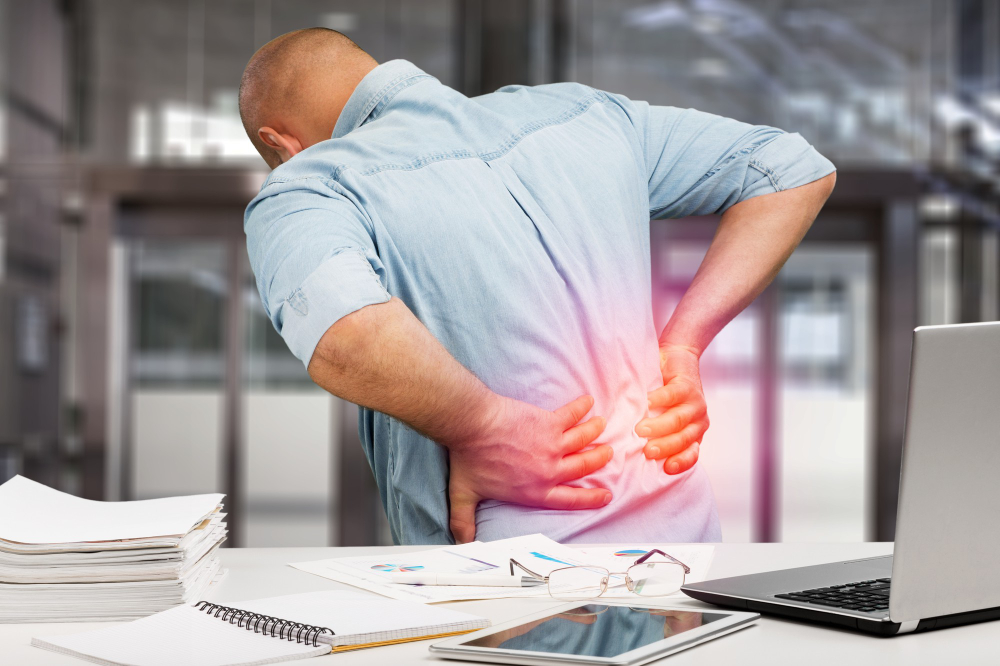
A slip disc, also called a herniated disc, is a common cause of back pain. This condition happens when one of the soft discs between the bones in your spine moves out of place. As a result, it can press on nearby nerves and cause pain, numbness, or weakness. Many people worry about slip disc symptoms, but early intervention can make a big difference. In this blog, you will learn about slip disc causes, stages, and why acting early is so important.
What Is a Slip Disc?
First, let’s understand what a slip disc is. Your spine is made up of small bones called vertebrae. Between these bones are soft, jelly-like discs. These discs act as cushions and help your back move easily. Sometimes, the outer layer of a disc tears. When this happens, the soft inside part can bulge out. This is called a slip disc or herniated disc. Because the disc presses on nerves, you may feel pain, tingling, or weakness. For many, this pain can spread to the arms or legs.
Causes of Slip Disc
There are several reasons why a slip disc can happen. Often, it is due to wear and tear as we age. However, other factors can also play a role. For example, lifting heavy objects the wrong way can strain your back. In addition, sudden injuries or falls may cause a disc to slip. Some people have weak back muscles, which increases the risk. Genetics can also make you more likely to get a slip disc. Here are some common causes:
Stages of Slip Disc
Slip disc problems usually develop in stages. Understanding these stages helps you spot early signs. Early action can prevent the problem from getting worse. The main stages are:
Because symptoms can get worse at each stage, early intervention is key.
Why Early Intervention Matters
Early intervention for slip disc can change everything. When you act quickly, you can stop the disc from causing more damage. For instance, early treatment can reduce pain and help you heal faster. It can also prevent long-term nerve problems. In some cases, waiting too long may lead to permanent nerve damage. Moreover, early care often means you can avoid surgery. According to the World Health Organization, most people recover well with early, non-surgical treatments. Therefore, if you notice back pain or numbness, see a doctor soon.
Diagnosis and Treatment Options
Doctors use several methods to diagnose a slip disc. First, they will ask about your symptoms and check your back. Sometimes, imaging tests like MRI or CT scans help confirm the diagnosis. Once a slip disc is found, treatment depends on your symptoms and stage. Common treatment options include:
Most people feel better with simple treatments. However, if pain or weakness does not improve, your doctor may suggest surgery. Early intervention often means you will not need surgery.
Prevention and Lifestyle Tips
There are many ways to lower your risk of a slip disc. For example, keeping your back strong and flexible helps a lot. Here are some easy tips:
By following these tips, you can protect your spine and reduce your risk of back pain.
Conclusion
In summary, a slip disc can cause pain and limit your daily life. However, knowing the causes and stages helps you act early. Early intervention can prevent serious problems and speed up recovery. If you have back pain or think you have a slip disc, consult an orthopedic specialist for personalized advice on slip disc management.