
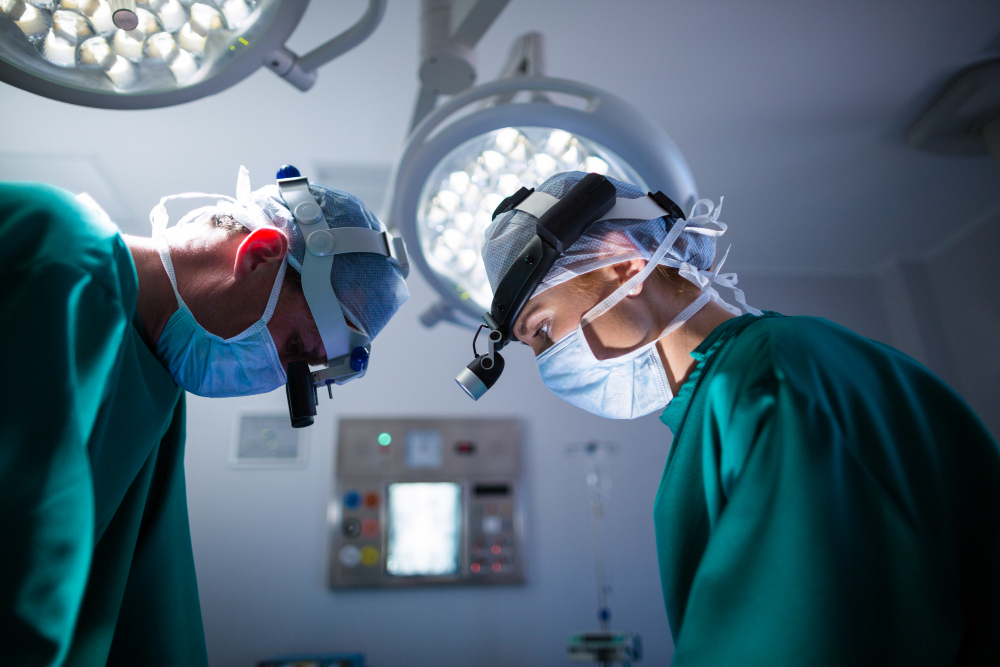
What is PCL Surgery?
PCL surgery is a procedure to fix or rebuild the posterior cruciate ligament in your knee. The PCL helps keep your knee stable. When it is torn or damaged, you may need surgery to restore normal movement. Many people ask about PCL surgery recovery and what to expect after PCL surgery. This guide will help you understand the process and key facts.
Symptoms and When Surgery is Needed
Often, a PCL injury causes pain and swelling in the knee. You may also notice your knee feels unstable or weak. Sometimes, walking or bending the knee becomes hard. However, not all PCL injuries need surgery. Doctors may suggest PCL surgery if:
For minor injuries, rest and physical therapy may be enough. But, if symptoms last or get worse, surgery may be the best option.
Causes Leading to PCL Surgery
PCL injuries often happen during sports or accidents. For example, a direct blow to the front of the knee can tear the PCL. Car accidents, falls, or sudden twists may also cause damage. In some cases, repeated stress on the knee leads to injury over time. When the ligament is badly torn, PCL reconstruction or surgery may be needed to restore knee function.
Diagnosis Before PCL Surgery
Before PCL surgery, doctors use several steps to confirm the injury. First, they ask about your symptoms and how the injury happened. Next, they examine your knee for swelling, pain, and movement. Often, imaging tests help:
With these tests, doctors decide if PCL surgery is the right choice for you.
The PCL Surgery Procedure
PCL surgery is usually done with small cuts and a camera, called arthroscopy. During the procedure, the surgeon removes damaged tissue and may use a graft to rebuild the ligament. This graft can come from your own body or a donor. Most surgeries last one to two hours. After surgery, you will spend some time in recovery before going home the same day or after a short stay.
Recovery Timeline and Rehabilitation
Recovery after PCL surgery takes time and effort. However, with the right care, most people return to normal activities. Here is a typical recovery timeline:
Following your doctor’s plan is key for a smooth PCL surgery recovery.
Risks and Complications
Like any surgery, PCL reconstruction has some risks. Most people recover well, but you should know about possible problems. These may include:
However, your doctor will take steps to lower these risks. Always follow their advice for the best outcome.
Tips for a Smooth Recovery
After PCL surgery, you can help your recovery by following these tips:
In addition, always ask your doctor if you have questions or concerns.
Prevention and Long-Term Outlook
While you cannot prevent every PCL injury, you can lower your risk. For example, use proper sports gear and warm up before activity. Strengthening your leg muscles also helps protect your knees. After PCL surgery, most people regain good knee function. With time and care, you can return to your favorite activities. However, some may notice mild stiffness or weakness. Regular check-ups help track your progress and catch any problems early.
For more details, you can visit trusted sources like the World Health Organization or the American Academy of Orthopaedic Surgeons.
Consult an orthopedic specialist for personalized advice on PCL surgery and recovery.