
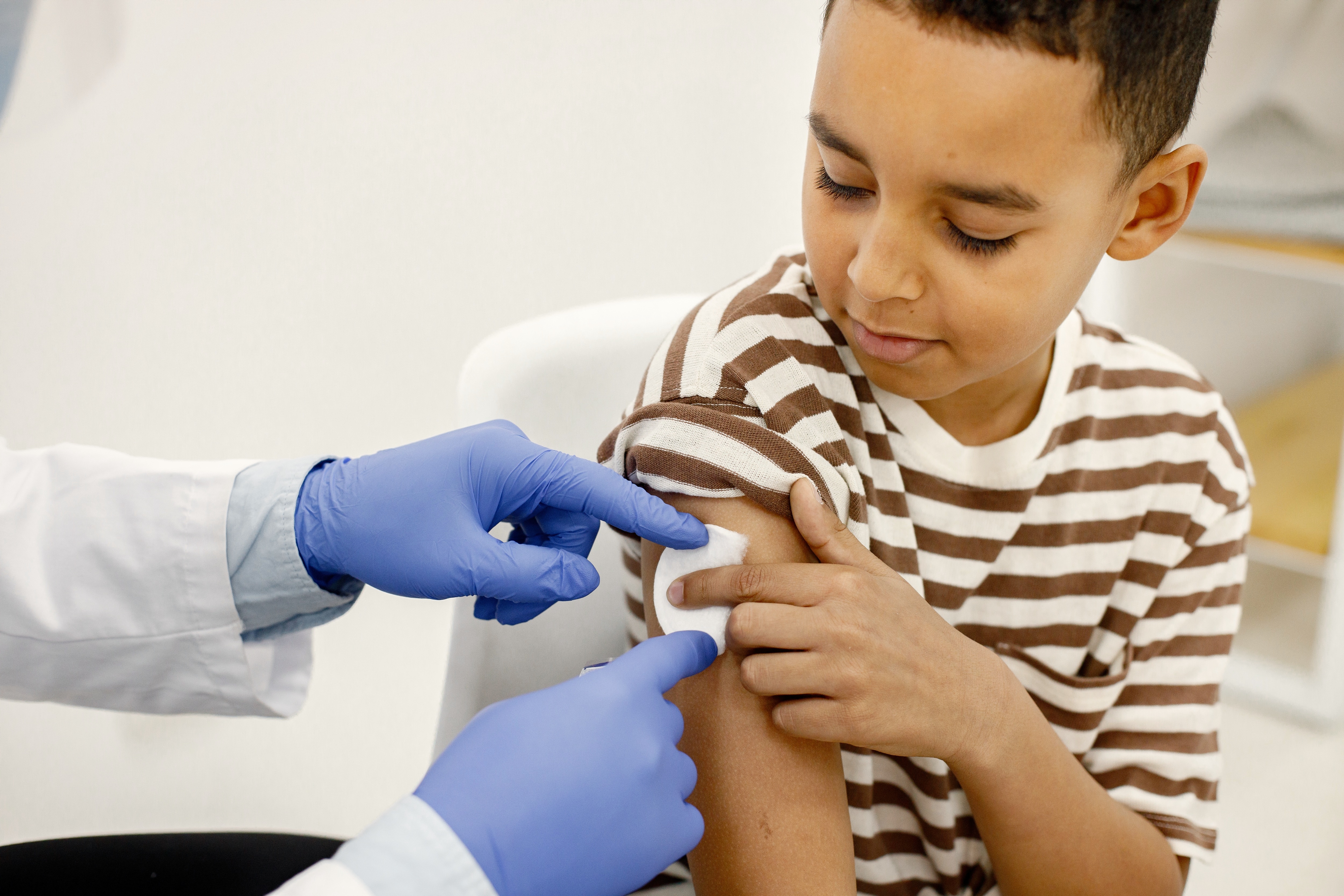
What Are Vaccinations for Children?
Vaccinations for children are special shots that help protect kids from serious diseases. These shots teach the body to fight germs without causing illness. For example, vaccines can prevent measles, mumps, and polio. Most children get vaccines at certain ages, following a set plan called the childhood immunization schedule. Because vaccines are safe and effective, doctors recommend them for all children.
Why Are Vaccinations Important for Children?
Vaccines help keep children healthy. First, they protect kids from diseases that can cause serious problems. For instance, some illnesses can lead to hospital stays or even death. Second, when most children get vaccinated, diseases have less chance to spread. This helps protect babies and others who cannot get vaccines. According to the World Health Organization (WHO), vaccines save millions of lives every year. So, getting your child vaccinated is one of the best ways to keep them safe.
Recommended Childhood Immunization Schedule
Doctors follow a set schedule to give vaccines at the right time. The Centers for Disease Control and Prevention (CDC) provides a guide for parents. Here are some common vaccines and when children usually get them:
Because schedules may change, always check with your child’s doctor for the latest advice.
Common Myths and Facts About Vaccines
Many parents hear myths about vaccines. However, it is important to know the facts. Let’s look at some common myths and the truth behind them:
Therefore, trust your doctor and reliable sources for vaccine information.
Vaccine Safety: What Parents Should Know
Vaccine safety for kids is a top priority. Before approval, vaccines go through many tests. After approval, experts keep checking for side effects. Most children have only mild reactions, such as a sore arm or mild fever. Serious side effects are very rare. The CDC and WHO both say vaccines are safe for children. If you have concerns, talk to your child’s doctor. They can answer your questions and explain why children need vaccines.
Tips for Parents: Preparing Your Child for Vaccination
Getting a shot can make some children nervous. However, parents can help make the experience easier. Here are some tips:
Because every child is different, find what works best for your family.
Frequently Asked Questions (FAQs)
Conclusion and Call-to-Action
In summary, vaccinations for children are safe, important, and protect against many diseases. Following the childhood immunization schedule helps keep your child and others healthy. If you have questions about vaccine safety for kids, always talk to your pediatrician. Consult your pediatrician for personalized vaccination advice.