
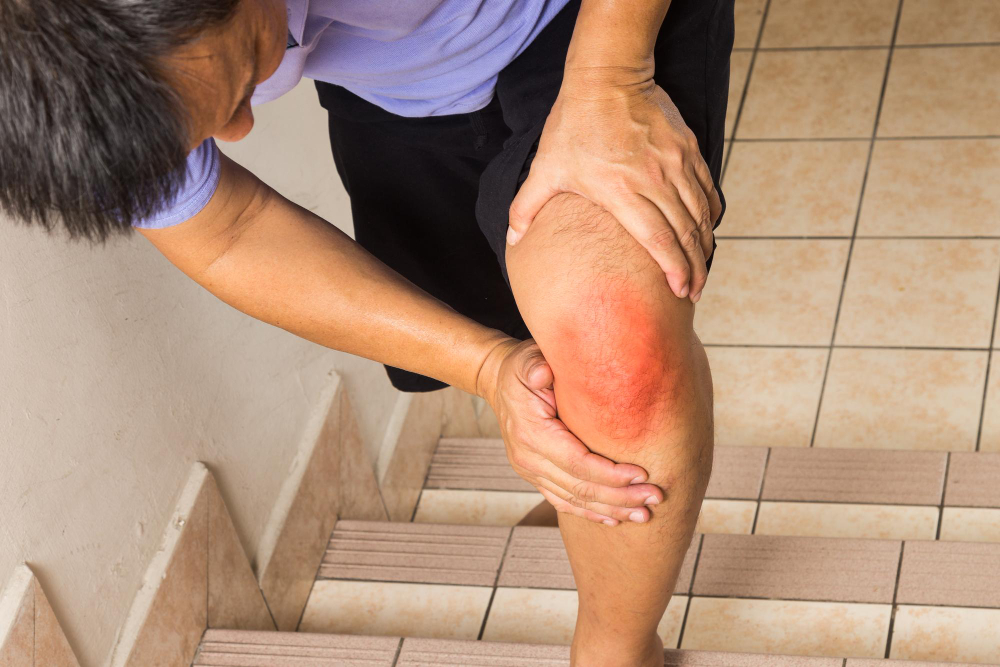
What Is a Meniscus Tear?
The meniscus is a piece of cartilage in your knee. It acts like a cushion between your thigh bone and shin bone. When this cartilage tears, it is called a meniscus tear. Meniscus tears are common knee injuries, especially in sports or after sudden twists. Early care can help prevent further damage. Orthopedic care for meniscus injuries is important for a full recovery.
Common Symptoms of Meniscus Tears
Meniscus tear symptoms can vary. However, most people notice pain and swelling in the knee. You might also feel a popping sensation when the injury happens. Sometimes, your knee may lock or feel stuck. Other common signs include:
If you notice these symptoms, seek medical advice. Early treatment can help you heal faster.
Causes and Risk Factors
Meniscus tears often happen during sports that involve sudden stops or turns. For example, football, basketball, and soccer players are at higher risk. But, anyone can get a meniscus tear, even from simple activities like squatting or lifting something heavy. Age is also a factor. As we get older, the meniscus can weaken and tear more easily. Other risk factors include:
Knowing these risks can help you take steps to protect your knees.
Diagnosis Methods
Doctors use several methods to diagnose meniscus tears. First, they ask about your symptoms and how the injury happened. Next, they examine your knee for swelling, tenderness, or limited movement. Often, doctors use special tests to check for a tear. For example, they may move your leg in certain ways to see if it causes pain. In some cases, imaging tests help confirm the diagnosis. These may include:
Accurate diagnosis is key for proper meniscus tear treatment.
Treatment Options for Meniscus Tears
Treatment depends on the size and location of the tear. Your age, activity level, and overall health also matter. Many meniscus tears can heal with non-surgical care. However, some may need surgery. Common treatment options include:
Sometimes, surgery is needed. Surgeons may repair the tear or remove the damaged part. Arthroscopic surgery uses small cuts and a camera, so recovery is often quicker. Always discuss your options with an orthopedic specialist.
Recovery and Lifestyle Tips
Recovery from a meniscus tear takes time. However, following your doctor’s advice can speed up healing. Here are some tips on how to recover from a meniscus tear:
With proper orthopedic care for meniscus injuries, most people return to their usual activities. But, it is important not to rush recovery.
Prevention Strategies
While not all meniscus tears can be prevented, you can lower your risk. For example, you can:
Taking these steps can help protect your knees and keep them healthy.
Conclusion
Meniscus tears are a common knee injury, but early care and the right treatment can help you recover well. If you notice meniscus tear symptoms or have knee pain, do not wait. Consult an orthopedic specialist for personalized advice on meniscus tears.